Detroit is done waiting. After years of rebuilding, resetting, and reimagining their identity, the Pistons are finally stepping into the future they’ve spent nearly a decade preparing for. And this time, it doesn’t feel like blind hope or offseason optimism — it feels real. It feels earned. It feels like the beginning of something that could redefine basketball in Detroit.
This isn’t just a resurgence in talent or a lucky draft pick turning into a star. This is a culture shift. A mentality shift. A team that has decided its time is now, not someday. And for the first time in years, the rest of the NBA is quietly admitting something they never thought they’d say again: the Detroit Pistons might actually be a problem.
What makes this season different isn’t just the roster on paper. Detroit has had talent before, and it didn’t translate. What makes this year special is the combination of experience, coaching clarity, player development, and hunger — the type of hunger that only comes from years of losing, criticism, and doubt. This team is tired of waiting for respect. They’re ready to take it.
Everything begins with Cade Cunningham. The franchise cornerstone has transformed into a true leader, not just a talented guard with upside. His presence is calmer, sharper, and more commanding. You can see it in the way he manages possessions, controls tempo, and reads defenses before the defense even knows what it’s doing. Cade isn’t just playing basketball—he’s sculpting the game around himself.
But Cade alone doesn’t explain the Pistons’ leap. The supporting cast around him has matured into a real, cohesive core. Jaden Ivey has taken the leap from raw athlete to polished weapon. His speed is still electric, but now it has purpose. Now it bends defenses. Now it complements Cade instead of clashing with him. Ivey is no longer trying to prove he belongs — he’s proving he can dominate.
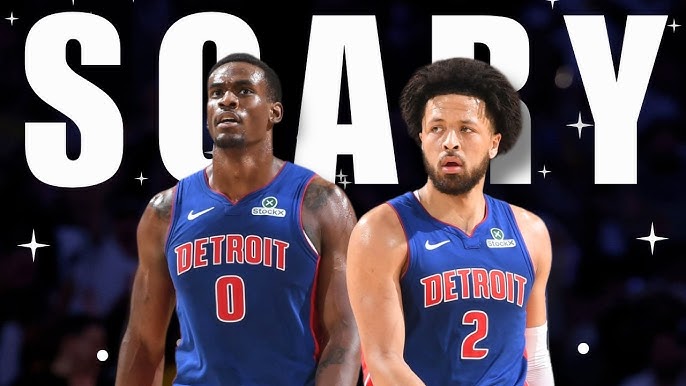
Then there’s Jalen Duren, the anchor of Detroit’s interior presence. A physical force who finally understands how to use his strength with timing and discipline. He’s no longer just a lob target or rebound machine. He’s becoming a defensive quarterback, a rim protector who changes game plans, and an offensive piece with legitimate footwork and growing confidence.
These three — Cade, Ivey, Duren — are the heart of the Pistons’ identity. But the team’s real breakthrough comes from something deeper: Detroit finally knows who it wants to be. Tough. Unselfish. Connected. A team that attacks the paint, plays with force, and doesn’t apologize for physicality. A team that embraces Detroit’s historical DNA while adapting to the modern NBA.
Monty Williams deserves credit for that. After the chaos of past coaching changes, Detroit finally has someone who can develop young players while building a system that drives winning. Monty’s approach is structure without stiffness, discipline without restriction. He’s unlocked the best version of several players who once looked lost.
One of the biggest revelations has been Ausar Thompson. His defensive instincts are years ahead of his age. He covers ground like a shadow, disrupts plays that should be routine, and brings the kind of competitive intensity that elevates the entire unit. On offense, he’s growing steadily — a smarter cutter, a more confident ball-handler, and a player who no longer hesitates when opportunities arise.
The Pistons’ veterans have stepped up too. They’re no longer just placeholders or temporary mentors; they’re active contributors shaping the identity of the roster. They give the team stability when young players inevitably make mistakes. They bring leadership to the locker room and accountability to the court.
But perhaps the strongest sign that this Pistons run is real comes from the team’s chemistry. There’s no drama. No ego battles. No confusion about roles. Everyone knows their job, and everyone plays to win. That’s something Detroit hasn’t had in years.
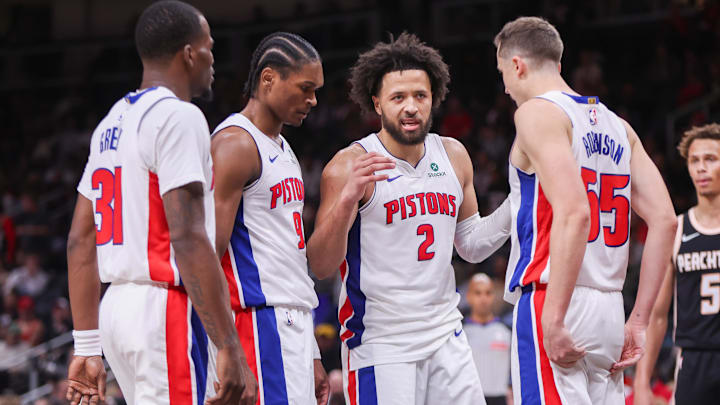
The fans feel it. Little Caesars Arena is louder, more energized, more connected to the team’s new identity. Detroit fans don’t fall for hype easily — they’ve seen too many false starts. But this? This is different. You can feel belief filling the arena again. Not hope — belief.
The Pistons aren’t trying to mimic anyone else. They’re not trying to become a copy of the Warriors, Celtics, Nuggets, or Lakers. They’re building something uniquely Detroit: a physically imposing, defensively engaged, fast-paced, unselfish system built around young stars who are growing faster than the league expected.
And while critics may still doubt Detroit’s ability to compete deep into the playoffs, the Pistons don’t care. In fact, the doubt fuels them. This team plays with the attitude of, “You’ll see.” And night after night, teams across the NBA are beginning to see exactly what they’ve been missing.
The offense is smoother, faster, and more unpredictable. Detroit pushes pace with precision, attacks mismatches instantly, and uses its athleticism to create chaos. Cade organizes everything, Ivey exploits openings, Duren controls the glass, and Ausar cleans up everything in between. It’s a system built on synergy.
Defensively, Detroit has become one of the most disruptive young teams in the league. Long arms, quick rotations, sharp instincts — it’s a group that doesn’t just rely on effort; it relies on understanding. They anticipate passes, break plays early, and force opponents out of rhythm. That’s the mark of a team that can win in the postseason.
And speaking of the postseason, Detroit isn’t just aiming for a playoff appearance. They’re aiming for impact. They’re aiming to shock someone. They’re aiming to show that this isn’t the start of a climb — it’s the start of a takeover.
What makes the Pistons so dangerous is their trajectory. This isn’t their ceiling. This is their beginning. Every young star is still ascending. Every role player is still sharpening their craft. Every rotation combination is still being perfected. Detroit isn’t peaking — it’s forming.
The biggest difference from previous seasons is confidence. Not arrogance — confidence. Cade walks onto the court like he knows he belongs among elite point guards. Ivey attacks as if no defender can keep up. Duren controls the paint like he owns it. Ausar guards every possession like the season depends on it.
This is how winning teams behave.
This is how breakthrough seasons start.

But what truly sets the Pistons apart from their past selves is resilience. In previous years, one slump, one injury, or one losing streak would derail the entire season. Not anymore. This team fights back. They adjust. They respond. They learn. Their bad nights don’t turn into bad weeks.
Detroit has finally built a team that can take a punch — and punch back harder.
Executives around the league are starting to admit privately that Detroit’s rebuild is no longer a future plan — it’s a present threat. Opposing coaches talk about how difficult it is to scheme against the Pistons’ pace and defensive disruptiveness. Analysts who once mocked the rebuild now praise its structure.
And most importantly, players around the league are paying attention. Detroit is no longer a team free agents avoid. It’s a destination with a rising core, a respected coach, and a clear identity. For the first time in years, players see opportunity in Detroit — not emptiness.
The rest of the NBA sees the shift. Maybe they won’t say it publicly yet, but they feel it: the Pistons are building something special, something sustainable, something dangerous. And the league knows that if Detroit adds the right piece or continues developing internally, the franchise could become a playoff powerhouse sooner than expected.
This breakthrough season isn’t an accident. It’s the result of patience, planning, and persistence. It’s the product of lessons learned from years of losing, of countless roster experiments, of young talent slowly forming into a system that finally makes sense.
Detroit basketball is fun again. Energizing again. Relevant again.
And if there’s one thing the NBA should know by now, it’s that a confident Detroit franchise is never to be underestimated.
The Pistons are no longer talking about the future. They’re living in it. They’re owning it. They’re winning with it.
Detroit’s breakthrough season is here — and they’re not just looking to compete.
They’re looking to win big.