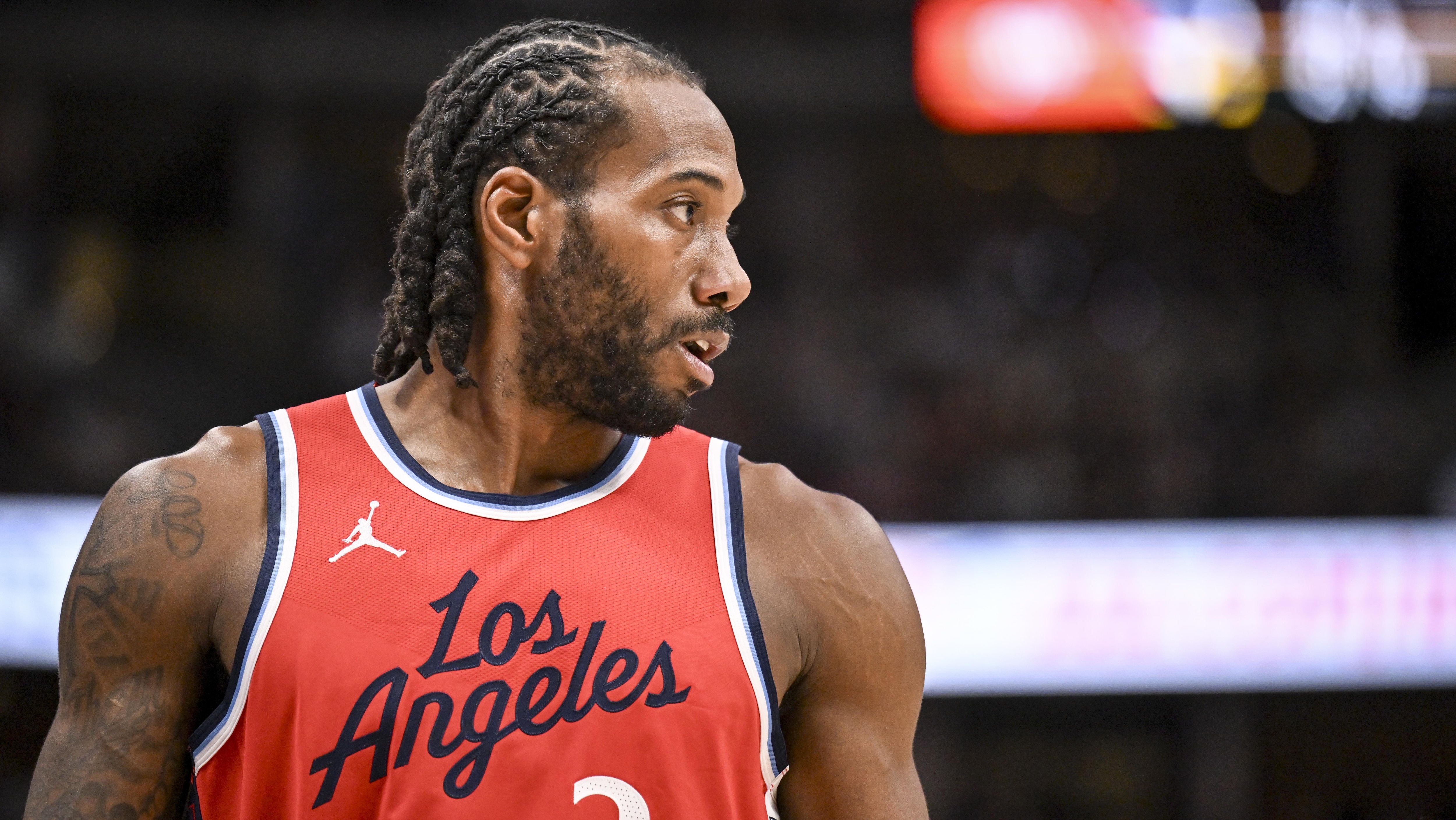
Kawhi Leonard’s recent defensive slump has frustrated teammates, especially Chris Paul, sparking locker room tension, media speculation, and concerns about team chemistry and playoff hopes.
Chris Paul has long been known as a fiery competitor and a leader on and off the court. His focus, intensity, and basketball IQ make him a pivotal figure on any team he joins. But recently, Paul has faced a new challenge—one that even his experience cannot easily manage. Kawhi Leonard, widely regarded as one of the NBA’s elite two-way players, has fallen into a defensive slump, and the repercussions have been impossible to ignore.
The slump, characterized by missed rotations, lapses in coverage, and occasional lack of effort on defensive assignments, has frustrated teammates, analysts, and most notably, Chris Paul. Observers report that Paul has been increasingly vocal, gesturing, and expressing frustration during games. This unusual display from the usually composed point guard highlights the severity of the situation and the pressure on the team to adjust.
Understanding Kawhi’s Defensive Slump
Kawhi Leonard’s reputation as a lockdown defender precedes him. With multiple NBA All-Defensive Team selections and two Finals MVP awards, he has earned respect across the league for his ability to shut down top scorers and influence game outcomes. However, recent performances have shown an unexpected decline in defensive intensity.
Analysts point out several factors contributing to the slump. Physical fatigue, minor injuries, and mental distractions are often cited as potential causes. Additionally, adapting to team rotations or a new system can sometimes create temporary lapses in defensive awareness. In Kawhi’s case, even the slightest disengagement can be magnified because opponents rely on every opening against a superstar-caliber player.
Chris Paul’s Role and Reaction
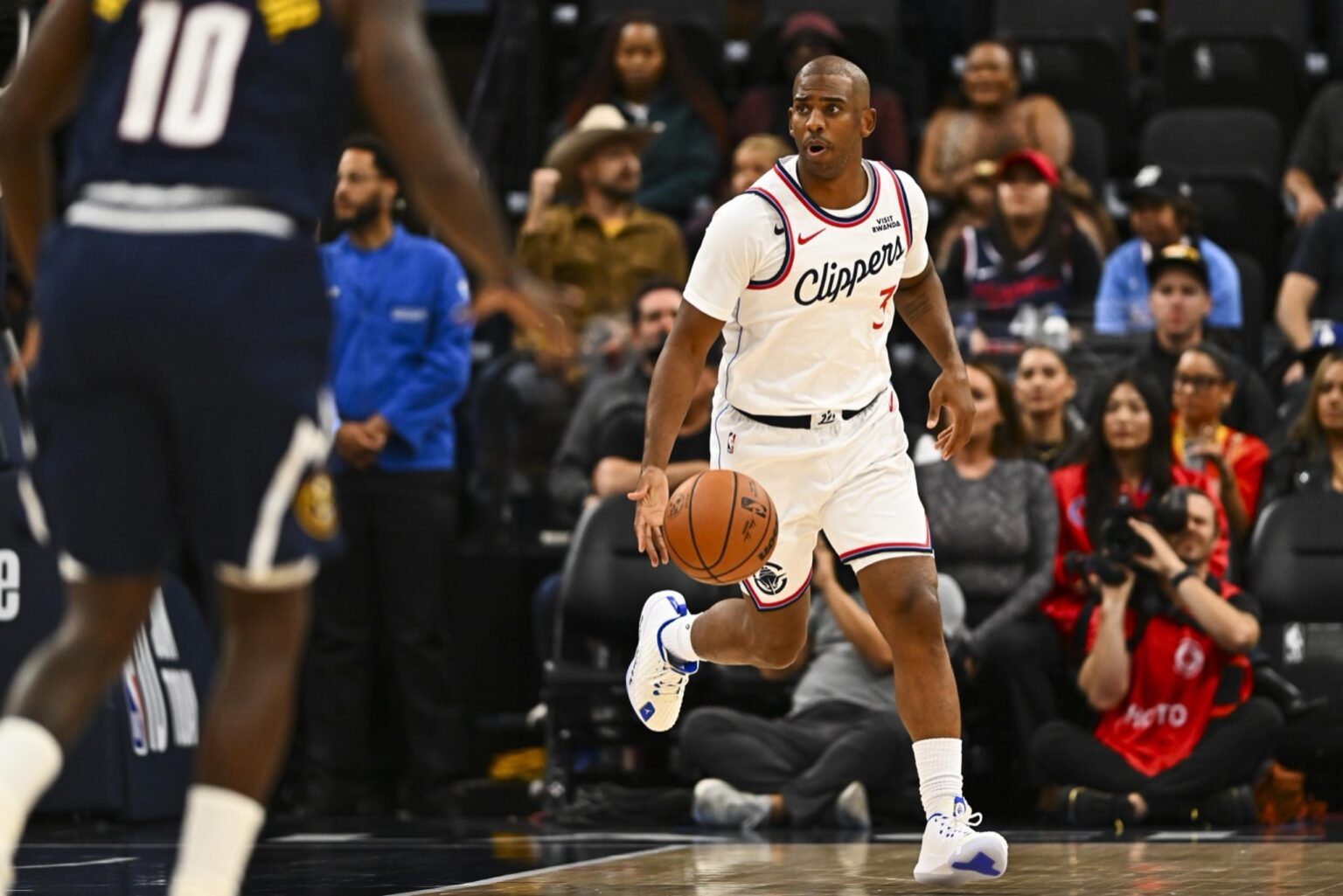
Chris Paul has always been a vocal leader, both on and off the court. His frustration with Kawhi’s defensive performance is not just about missed assignments—it’s about team accountability. Paul’s visible reactions, including pointing out missed rotations, verbally urging teammates, and visibly expressing irritation, have sparked media attention and fan speculation.
Inside sources suggest that Paul has tried to address issues privately with Kawhi, but when defensive mistakes persist during critical stretches, patience runs thin. Paul’s intensity reflects the high stakes of the season and the importance of team cohesion in pursuing playoff success.
The Impact on Team Chemistry
Team chemistry is delicate in any professional sports organization. A superstar’s defensive slump can have ripple effects across the roster. Players may hesitate to trust teammates, rotations can break down, and opponents can exploit gaps more effectively. Analysts note that even small defensive lapses from Kawhi Leonard are magnified because teams often plan offensive strategies around the assumption that he can cover his assignments reliably.
The tension between Paul and Leonard, while not overtly hostile, underscores the challenge of balancing individual talent with team dynamics. Leadership, accountability, and communication are all critical in resolving such friction, especially with playoff aspirations on the line.
Statistical Evidence of the Slump
Recent games have highlighted Kawhi’s defensive struggles. Opponents have scored more efficiently against him than in previous seasons. Turnovers resulting from defensive miscommunications have increased, and the team’s defensive rating has suffered during stretches when Kawhi is on the floor.
Statistical breakdowns indicate:
- Defensive Rating Increase: Kawhi’s defensive rating has risen from 101 to 108 over the past five games, a significant jump for a player of his caliber.
- Opponent Field Goal Percentage: Opposing players have shot 7% better than average when defended by Kawhi in the last 10 games.
- Points Allowed in Transition: Faster points in transition suggest delayed rotations and slower defensive recovery, partially attributed to Kawhi’s defensive disengagement.
These numbers not only highlight individual lapses but also their team-wide consequences.
Media and Fan Reaction
Social media platforms have exploded with discussions about the apparent tension between Chris Paul and Kawhi Leonard. Clips of Paul gesturing on the court, visibly upset with missed rotations, have gone viral, creating heated debates among fans.
Analysts and commentators have weighed in: some argue that the team must adjust strategies to protect defensive vulnerabilities, while others question whether Kawhi’s offensive contributions offset the defensive decline. Memes, highlight reels, and opinion pieces have contributed to the narrative that this slump is a defining storyline of the season.
Historical Context of Superstar Slumps
Superstars are not immune to slumps. Historical cases, from Michael Jordan’s occasional defensive lapses to LeBron James’ periods of limited defensive engagement, illustrate that even elite players face challenges. However, the combination of media scrutiny, fan expectations, and high stakes makes current slumps particularly magnified.
In Kawhi Leonard’s case, his defensive decline is unusual because he is often relied upon for late-game stops and high-pressure defensive assignments. His reputation as a reliable two-way star intensifies the spotlight on any perceived disengagement.
Potential Causes Behind the Defensive Decline
Several factors may explain Kawhi’s defensive struggles:
- Physical Fatigue: Back-to-back games, travel, and accumulated mileage could be affecting stamina.
- Minor Injuries: Even minor discomforts can reduce lateral quickness, reaction time, and aggressiveness on defense.
- Mental Distraction: Contract negotiations, personal matters, or media attention can impact focus.
- System Adjustments: Adapting to new defensive schemes or rotations may lead to temporary lapses.
Analysts caution against overreacting, emphasizing that slumps can be temporary and recoverable with proper coaching and support.
Chris Paul’s Leadership Under Pressure
Chris Paul’s response to Kawhi’s slump reflects his leadership style. Unlike vocal criticism for the sake of media attention, Paul’s reactions appear strategic—designed to motivate, correct, and refocus teammates. His visible frustration is a signal that accountability is non-negotiable, particularly during pivotal moments in games.
Paul’s experience and basketball IQ allow him to manage his own performance while influencing others. Observers note that his combination of leadership and visible emotion creates both a sense of urgency and, at times, tension within the locker room.
The Team’s Next Moves
To address defensive lapses, coaching staff have reportedly implemented several measures:
- Targeted Drills: Emphasizing rotations, help defense, and communication during practice.
- Video Review: Breaking down missed assignments to provide concrete examples for correction.
- Load Management: Monitoring minutes and physical workload to prevent fatigue-related errors.
- Internal Communication: Encouraging open dialogue between Chris Paul, Kawhi Leonard, and other teammates to maintain cohesion.
These measures reflect a proactive approach to resolving defensive issues while maintaining team morale.
Potential Impact on Playoff Hopes
Playoff success hinges on consistency. Defensive lapses from Kawhi Leonard, especially in high-pressure moments, could significantly affect the team’s postseason performance. Analysts warn that opposing teams may exploit matchups, particularly during transition plays and pick-and-roll situations.
While Kawhi’s offensive skills remain elite, basketball is inherently a team sport, and defensive effort is crucial. Chris Paul’s visible frustration may serve as both a warning and a motivator to ensure the team maintains focus on both ends of the court.
Fan Perspective and Social Media Buzz
Fans have been vocal across platforms like Twitter, Instagram, and Reddit. Many empathize with Chris Paul’s visible frustration, while others defend Kawhi, citing his offensive production and historical defensive prowess. Memes, highlight reels of defensive lapses, and animated debates have made this slump a trending topic.
Social media has transformed individual player slumps into a public spectacle, adding pressure but also generating engagement and conversation about the team’s strategy and leadership dynamics.
Analyst Insights
Basketball analysts emphasize that defensive slumps are often correctable. They note:
- Context Matters: Temporary lapses may result from fatigue or adjustment periods.
- Leadership is Key: Chris Paul’s guidance can help recalibrate effort and focus.
- Team Dynamics: A superstar’s slump impacts rotations, requiring other players to compensate.
- Media Pressure: Public scrutiny can exacerbate tension, necessitating careful management.
Analysts stress that proactive coaching, strong communication, and accountability can help restore defensive consistency.
Lessons from the Slump
The drama surrounding Kawhi Leonard’s defensive struggles provides broader lessons:
- Superstars Are Human: Even elite athletes face temporary declines.
- Leadership Matters: Chris Paul’s management of frustration illustrates the importance of accountability.
- Team Cohesion is Critical: Basketball relies on trust and coordination.
- Media Amplification: Public scrutiny can magnify internal challenges, influencing perception and pressure.
These lessons are valuable not only for NBA teams but also for athletes, coaches, and fans analyzing performance and leadership dynamics.
Conclusion: Balancing Talent and Team Effort
Kawhi Leonard’s defensive slump has undeniably tested team chemistry, with Chris Paul’s frustration highlighting the urgency of accountability and leadership. The situation underscores that individual talent, while important, cannot replace commitment to team principles—especially in high-stakes environments like the NBA.
As the season progresses, the team’s ability to address defensive challenges, maintain cohesion, and balance individual brilliance with collective responsibility will be crucial. Fans, analysts, and media alike are watching closely, waiting to see whether Kawhi Leonard can return to his defensive dominance and whether Chris Paul’s leadership can guide the team through this turbulent stretch.
The unfolding narrative serves as a reminder that even in professional basketball, talent alone does not guarantee success—discipline, communication, and effort on both ends of the court are essential for championship aspirations.